Centralized Sales Operations Platform
A custom sales operations platform built for the sales division of a technology company in Indonesia. The system centralizes sell-out reporting, employee activities, field visits, attendance, leave requests, inventory visibility, serial number tracking, incentives, notifications, and external system integrations.
The context
I developed this project for the sales division of a technology company in Indonesia. The division manages sales activities across multiple locations and coordinates field employees, product distribution, inventory information, customer visits, attendance, and performance reporting.
As the sales operation expanded, information became distributed across spreadsheets, messaging applications, and separate internal systems. The company needed a centralized platform that could support its daily sales processes while providing management with more consistent and accessible operational data.
The challenge
The main challenge was translating a complex field sales operation into a system that remained practical for employees, supervisors, and management. The platform needed to support both mobile field activities and administrative workflows without disrupting the company's existing processes.
- Sales and sell-out data were collected from multiple sources
- Field activity reports required repeated manual input
- Attendance and visit information were difficult to monitor centrally
- Inventory and serial number information was not always immediately available
- Employee performance reports required manual preparation
- Approval and leave request statuses were difficult to track
- Management needed faster access to sales and operational indicators
The approach
I started by studying how the sales team handled its daily activities, including sell-out reporting, employee visits, attendance, leave requests, inventory monitoring, and incentive calculations. These workflows were then mapped into connected modules with a shared operational data structure.
The implementation was divided into focused phases. Core sales and employee workflows were delivered first, followed by dashboards, notifications, inventory features, and external integrations. This approach allowed the platform to evolve based on feedback from actual users.
- Map existing sales and field employee workflows
- Identify duplicated input and disconnected operational data
- Define shared master data for employees, stores, products, and locations
- Build sell-out and sales activity modules
- Implement attendance, visits, and leave management
- Connect inventory and serial number information
- Introduce dashboards, notifications, and incentive visualization
- Integrate the platform with external business systems
System architecture
Frappe Framework and ERPNext were used as the backend foundation for document management, permissions, business workflows, and operational data. A separate Vue 3 application provided a focused and mobile-friendly interface for sales employees, supervisors, and management.
Custom Python services handle business rules, reporting, automation, notifications, and integration with external systems such as Kingdee and cloud storage. REST APIs connect the frontend application with the backend while preserving server-side permission and data validation.
type SalesPerformanceSummary = {
  totalSellOut: number
  targetAchievement: number
  completedVisits: number
  attendanceRate: number
}

async function getSalesPerformance(): Promise<SalesPerformanceSummary> {
  const response = await api.get('/api/method/advan.api.sales.get_performance')
  return response.data.message
}
What was delivered
The final platform connects the company's most important sales operations within a single environment. Each feature was designed around the responsibilities of field employees, sales supervisors, administrators, and management.
The outcome
The platform reduced the amount of repeated manual input and made sales information easier to access across the organization. Employees gained a more structured way to report daily activities, while supervisors could monitor operational progress without collecting data from multiple sources.
The project also established a stronger technical foundation for the company's future sales initiatives. New reports, workflows, employee programs, and external integrations can now be introduced without rebuilding the entire operational platform.
- Approximately 65% less repeated manual data entry
- An estimated six working hours saved each week for routine reporting
- Faster access to sales and employee activity information
- More consistent sell-out and inventory records
- Clearer visibility into visits, attendance, and leave requests
- Simplified monitoring of sales targets and incentives
- A scalable foundation for future sales integrations
Technology decisions
The technology stack was selected to support maintainability, data consistency, mobile field operations, and integration with the company's existing business systems. The objective was to build a dependable platform that could continue evolving as the sales organization grew.
- ERPNext for standard ERP and inventory capabilities
- Frappe Framework for custom documents, permissions, and workflows
- Python for backend services, reporting, and automation
- Vue 3 and Vite for a responsive sales application
- MariaDB for structured operational data
- REST APIs and webhooks for system integration
- Firebase Cloud Messaging for user notifications
- Cloud and object storage services for file management
My role
I was involved in analyzing the company's sales workflows, designing the system architecture, developing backend services, building the frontend application, creating operational dashboards, implementing business rules, and connecting the platform with external services.
I also focused on maintaining data consistency, protecting role-based access, supporting mobile users, and ensuring that the system could be extended as new business requirements emerged.
Centralized sell-out reporting
Sales employees can submit and monitor sell-out information through a structured workflow connected to shared product, store, and employee data.
Employee visit management
Field visits, schedules, locations, and activity results can be recorded and reviewed from one connected platform.
Attendance and leave workflows
Employees can manage attendance and leave requests while supervisors can monitor status and complete approvals through defined workflows.
Stock and serial number visibility
The sales team can access relevant inventory and serial number information without relying on manually combined reports.
Sales incentive visualization
Employees and managers can review target achievement and estimated incentive information through clear performance dashboards.
Automated operational notifications
Important updates, assignments, approvals, and operational reminders can be delivered automatically to the appropriate users.
Connected external systems
Custom services exchange selected operational data with Kingdee, cloud storage, messaging services, and other external platforms.
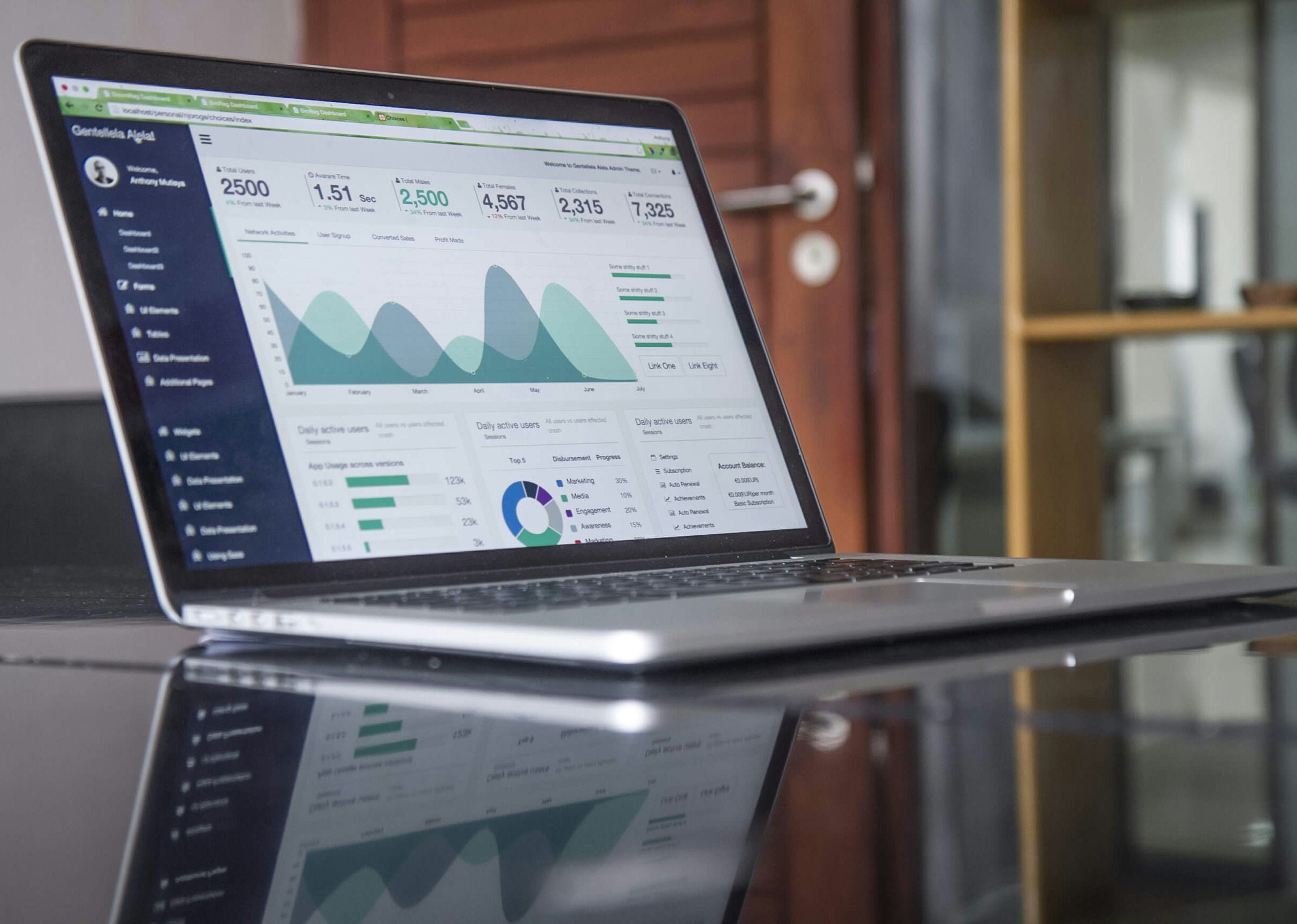
Management sales dashboard
Management can monitor sales performance, employee activities, pending actions, and operational exceptions from a centralized dashboard.